
Our 10QUESTIONS feature asks members of the Freshfield community ten questions about their working life. Featuring client partners, colleagues and FF friends, our guests share some personal stories, views and fresh words of wisdom.
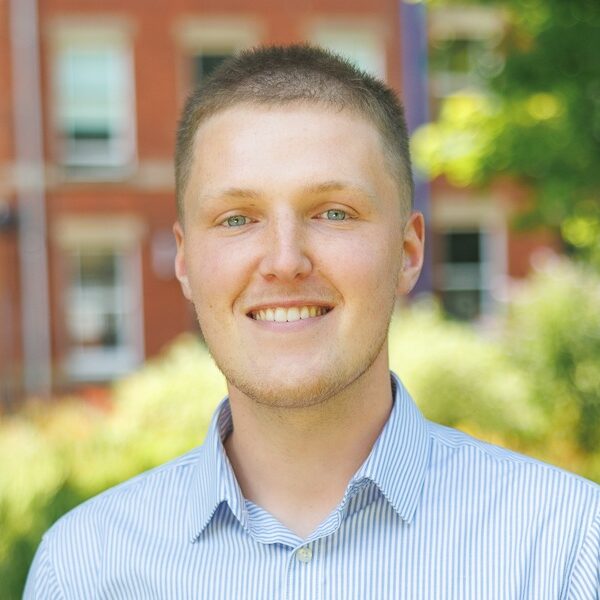
Our latest guest is Lewis Cooney, community manager for Department XYZ co-working space in Manchester. Before moving into operations and workspace management, Lewis spent over a decade working as a professional chef, an experience that inspired his debut novel Beyond the Flames: A Chef’s Descent. He now splits his time between supporting thriving work communities and pursuing his passion for writing and storytelling.
How do you like to start your working day?
My day always begins with a fresh coffee and a light breakfast, something that gives me a quiet moment to collect my thoughts before things get busy. Once I’m on site, my first focus is always the workspace itself. I walk through the building to make sure everything is clean, organised, and ready to welcome our members.
I believe in setting the tone for the day early. If the space feels calm, cared for, and professional, it gives everyone the foundation they need to do their best work. Presentation matters, and in a co-working environment, it can really influence the mood of the day.
Where and how do you come up with your best ideas?
My best ideas come from conversations, from listening to others and bouncing around thoughts with friends, family, team members, and the wider community. I take a lot of inspiration from the people around me.
Whether it’s a passing comment from a member or a shared challenge someone is facing, I always try to tune in to those human moments and use them as springboards for ideas. Collaboration, empathy, and curiosity are the fuel behind most of the creative solutions I come up with.
What’s the best piece of advice you’ve ever been given?
It’s something that was said to me years ago by a former general manager at a hotel, back when I was a chef: “It’s better to have a nice house with a rubbish car outside than a nice car and a rubbish house.”
That one sentence changed how I view money, success, and long-term happiness. It made me realise the importance of building stability and investing in things that matter. Since then, I’ve always prioritised savings, security, and meaningful choices over flashy distractions. That mindset has served me well both personally and professionally.
What does leadership mean to you?
To me, leadership is about uniting people. It’s not about titles or authority but creating a sense of belonging, purpose, and mutual respect. Whether it’s guiding a team, managing a space, or even writing a story that resonates, leadership is about giving people something to connect to.
It’s about listening more than speaking and providing people with the tools and support they need to thrive. In my role, I lead by being present, approachable, and consistent. That’s what builds trust, and trust is the heartbeat of any great community.
What’s your top tip for achieving a work-life balance?
Find something you truly enjoy outside of work and make time for it.
For me, it’s mountain biking. I ride with a local club every Monday night, and those evenings are sacred. It’s not just about fitness, it’s about disconnecting from screens, being outdoors, and feeling grounded in the moment.
Work can be intense, and the only way to keep giving your best is to refill your own energy. Make time for hobbies, protect your personal time, and don’t be afraid to say no when your balance is off.
Which current or historical business figure do you most admire and why?
This might be a bit unconventional, but I don’t really have a famous business figure that I admire. The people who’ve truly inspired me are those I’ve met personally – former managers, colleagues, family members. People who’ve overcome challenges quietly, with dignity and determination.
I’m drawn to real stories and real resilience, not headlines. The mentors I’ve had, the friends I’ve worked alongside, even members in our workspace community, those are the people who’ve shaped my outlook and earned my admiration.
What is your most trusted source of news?
Radio 4 is my go-to. I appreciate the depth of reporting, the variety of perspectives, and the thoughtfulness of the conversations. It’s a reliable way to stay informed without being overwhelmed.
I like how it offers a blend of current affairs, cultural insights, and long-form discussion; it feels like news you can digest, not just react to.
What is your favourite brand and why?
Trek Bikes, without a doubt. I love the innovation they put into their products – there’s a real sense of craft, quality, and care in everything they make. But it’s not just about the bikes. Every Trek store I’ve ever been in has felt welcoming, passionate, and genuinely helpful.
That kind of customer experience is rare, and it keeps me loyal to the brand. They’re not just selling bikes; they’re supporting lifestyles and communities, and that really resonates with me.
What’s the most recent new skill you have learnt?
Learning to write and publishing my debut novel, Beyond the Flames, was a massive personal achievement. It wasn’t something that happened overnight, it took years of note-taking, trial and error and self-belief.
I discovered that I could take scattered memories from my time as a chef and weave them into a compelling narrative. I learned structure, pacing, and character development, but most importantly, I learned that persistence beats perfection. Seeing my book available on Amazon is proof that with time and commitment, you can turn even the most ambitious ideas into something real.
We all use them…what management jargon phrase do you use the most?
I’m guilty of using the phrase “let’s not reinvent the wheel.”
It’s my gentle way of saying that we don’t need to overcomplicate things. In a world obsessed with constant innovation, sometimes the best move is to step back and ask what is really necessary. It keeps things grounded and occasionally saves us from spiralling into a three-hour brainstorm about how to label the coffee machine.